- Understanding AI-Powered Marketing Funnels
- How to Implement AI in Your Marketing Funnel
- The Impact of AI on the Customer Journey
- Real-Life Examples of AI-Powered Funnels
- Pros and Cons of AI-Powered Marketing Funnels
- Conclusion: Embrace AI for Marketing Success
- FAQ
- FAQ: AI-Powered Marketing Funnels
AI-Powered Marketing Funnels That Convert
In the evolving landscape of digital marketing, the integration of artificial intelligence (AI) has become a game-changer. AI-powered marketing funnels are revolutionizing how businesses engage with potential customers, optimizing every step of the customer journey to enhance conversion rates. Whether you're a small business owner or a marketing professional, understanding and utilizing these AI-driven tools can significantly impact your marketing success.
Understanding AI-Powered Marketing Funnels
What Are AI-Powered Marketing Funnels?
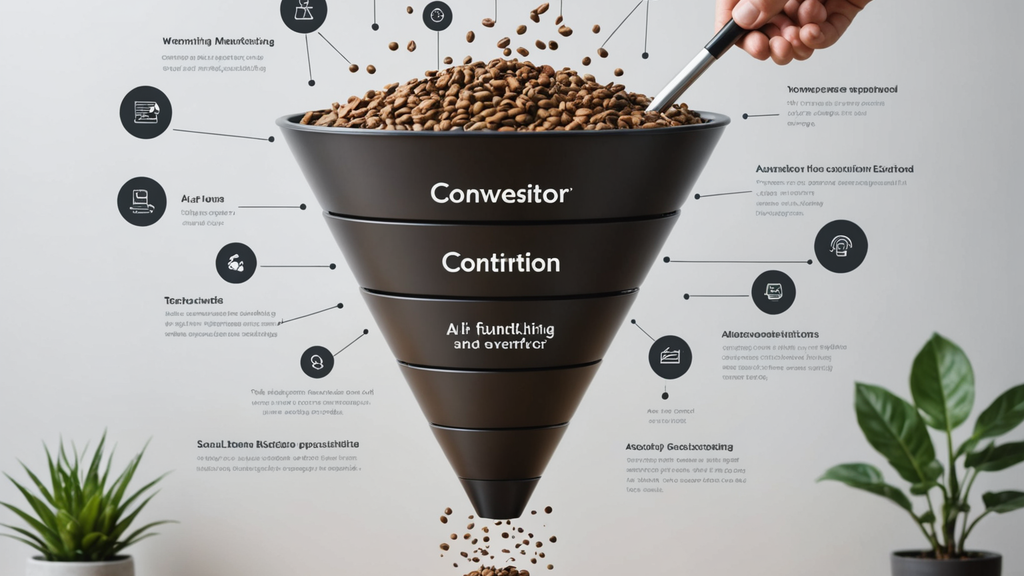
AI-powered marketing funnels utilize machine learning algorithms and data analytics to automate and optimize the entire customer journey. From the initial contact point to the final conversion, AI tools analyze consumer behavior, predict outcomes, and personalize interactions to increase the likelihood of conversion. This technology transforms traditional marketing strategies into dynamic, responsive systems capable of adapting to individual customer needs in real-time.
Key Benefits of AI Funnels
-
Enhanced Personalization: AI can tailor the customer experience by analyzing data to understand individual preferences and behaviors. For example, Netflix uses AI algorithms to recommend shows based on viewing history, resulting in higher engagement and retention rates.
-
Efficient Data Processing: AI processes vast amounts of data quickly, providing actionable insights that humans might miss. Businesses can analyze customer interactions across multiple channels, gaining a holistic view of their marketing effectiveness.
-
Improved Targeting: AI enhances targeting accuracy by predicting customer needs and preferences. For instance, Facebook Ads uses AI to analyze user behavior and demographics, allowing businesses to reach their ideal audience with precision.
-
Automated Engagement: With AI, businesses can automate customer interactions, ensuring timely and relevant communication. Chatbots can handle inquiries 24/7, providing immediate responses that enhance customer satisfaction.
-
Cost Efficiency: By automating repetitive tasks and optimizing marketing efforts, businesses can significantly reduce operational costs. This allows for better allocation of resources towards strategic initiatives that drive growth.
-
Scalability: AI technology can easily scale to accommodate growing customer bases and increasing data volumes, making it a perfect solution for businesses aiming for expansion.
How to Implement AI in Your Marketing Funnel
Step 1: Identify Your Goals
Before integrating AI into your marketing funnel, define clear objectives. Are you aiming to increase lead generation, improve customer engagement, or boost sales conversion? Establishing specific goals will guide your AI strategy effectively. For example, a goal could be to reduce cart abandonment rates by 15% within six months.
Step 2: Choose the Right AI Tools
Selecting the appropriate AI tools is crucial. Consider platforms that offer comprehensive features such as data analytics, customer segmentation, and predictive modeling. Popular tools include:
-
Chatbots: For automated customer service and engagement. For instance, Drift provides chatbots that can qualify leads in real-time.
-
Predictive Analytics: To forecast customer behavior and optimize marketing strategies. Tools like HubSpot allow you to analyze past customer interactions to predict future purchases.
-
Content Personalization Platforms: To deliver tailored content based on user preferences. Optimizely uses AI to customize website experiences for individual visitors.
-
Email Automation Tools: Platforms like Mailchimp use AI to optimize email send times and content based on user engagement, increasing open and conversion rates.
Step 3: Integrate AI with Existing Systems
Integrate AI tools with your existing CRM and marketing platforms to ensure seamless data flow and functionality. This integration facilitates real-time data analysis and actionable insights. For example, integrating Salesforce with an AI analytics tool can provide a comprehensive view of customer interactions across multiple touchpoints.
Step 4: Monitor and Optimize
Regularly monitor AI performance and make adjustments as necessary. AI systems require continuous data input and feedback to improve accuracy and effectiveness. Set up key performance indicators (KPIs) to measure success and identify areas for improvement. For instance, track metrics like click-through rates, conversion rates, and customer satisfaction scores to gauge the effectiveness of your AI strategies.
Step 5: Train Your Team
Ensure your team is equipped to leverage AI tools effectively. This may involve training sessions, workshops, or even hiring specialists who can help navigate the complexities of AI technology. A well-informed team can maximize the potential of AI-powered marketing funnels.
The Impact of AI on the Customer Journey
Awareness Stage
AI technologies enhance the awareness stage by identifying and targeting potential customers more effectively. Through data analysis, AI can pinpoint the right audience and deliver personalized ads that resonate. For example, Google Ads utilizes AI to optimize ad placements based on user search behavior, ensuring that advertisements reach the most relevant audience.
Consideration Stage
During the consideration stage, AI tools analyze customer behavior to offer tailored content and product recommendations. This personalization increases the likelihood of conversion by aligning with customer interests. For instance, Amazon's recommendation engine uses AI to suggest products based on past purchases and browsing history, significantly increasing average order value.
Decision Stage
In the decision-making stage, AI chatbots and automated email campaigns can provide timely information and support, helping to overcome objections and close sales. For example, if a customer hesitates to complete a purchase, an AI-driven email campaign can send a reminder along with a special discount, encouraging them to finalize the transaction.
Post-Purchase Stage
After a purchase, AI can continue to engage customers through personalized follow-ups, feedback requests, and product recommendations. This ongoing interaction can foster brand loyalty and encourage repeat purchases. For instance, a beauty brand might use AI to suggest complementary products based on previous purchases, enhancing the customer experience and increasing sales.
Real-Life Examples of AI-Powered Funnels
Case Study: E-commerce Success
An e-commerce company implemented AI-driven chatbots to handle customer queries 24/7. The result was a 30% increase in customer satisfaction and a 20% boost in conversion rates. By providing immediate assistance and personalized recommendations, the chatbot significantly enhanced the shopping experience, leading to higher sales.
Local Business Transformation
A local restaurant used AI to analyze customer data and personalize marketing campaigns. By segmenting their audience based on dining preferences and visit frequency, they crafted targeted promotions that resonated with each group. This strategy led to a 25% increase in repeat visits and a 15% increase in new customer acquisition, demonstrating the power of AI in local marketing efforts.
SaaS Company Innovation
A software-as-a-service (SaaS) company integrated AI into their onboarding process. By analyzing user behavior during the trial period, the AI system identified common pain points and tailored onboarding emails to address these issues. As a result, the company saw a 40% increase in trial-to-paid conversion rates, showcasing how AI can enhance the customer journey in the tech industry.
Retail Giant’s AI Revolution
A well-known retail giant implemented an AI-driven inventory management system that analyzes purchasing patterns and predicts future demand. This optimization led to a 15% reduction in stockouts and a 10% increase in sales during peak seasons. By aligning inventory with customer preferences, the retailer was able to enhance customer satisfaction and drive revenue growth.
Pros and Cons of AI-Powered Marketing Funnels
Pros
-
Scalability: AI systems can handle large volumes of data and interactions, making them ideal for growing businesses. As your customer base expands, AI can manage increased demand without compromising service quality.
-
Cost-Effectiveness: Automating processes reduces manual labor and operational costs. Businesses can allocate resources more efficiently, focusing on strategic initiatives rather than routine tasks.
-
Enhanced Insights: AI provides deeper insights into customer behavior and market trends. This information allows businesses to make informed decisions and adapt their strategies to changing consumer preferences.
-
Real-Time Adaptability: AI can adjust marketing strategies in real-time based on customer interactions and feedback, ensuring that businesses remain relevant and responsive.
Cons
-
Complexity: Implementing AI systems can be complex and may require technical expertise. Smaller businesses may find it challenging to navigate the intricacies of AI technology without dedicated resources.
-
Data Privacy Concerns: Handling customer data with AI requires stringent data privacy measures. Businesses must ensure compliance with regulations like GDPR and CCPA to protect customer information and maintain trust.
-
Dependence on Data Quality: The effectiveness of AI algorithms relies heavily on the quality of the data input. Inaccurate or incomplete data can lead to misguided insights and poor decision-making.
-
Initial Investment: The upfront costs associated with implementing AI technology can be significant, which may deter smaller businesses from adopting these solutions.
Conclusion: Embrace AI for Marketing Success
AI-powered marketing funnels offer a powerful way to enhance the customer journey and improve conversion optimization. By embracing AI tools, businesses can create more personalized, efficient, and effective marketing strategies. As you explore the potential of AI in your marketing efforts, keep your goals clear, choose the right tools, and continuously monitor outcomes.
The future of marketing is undoubtedly intertwined with AI technology. As businesses increasingly adopt AI-driven strategies, those who harness its power will stand out in a crowded marketplace. The ability to understand and respond to customer needs in real-time will not only improve conversion rates but also foster long-term loyalty.
Ready to transform your marketing with AI? Start by evaluating your current funnel and explore AI solutions that can take your business to the next level. Don’t miss the opportunity to leverage AI for unparalleled marketing success.
Integrating AI into your marketing funnel not only optimizes the customer journey but also positions your business at the forefront of digital marketing innovation. Take the first step towards smarter marketing today. Embrace the future of marketing and watch your business thrive!
FAQ
FAQ: AI-Powered Marketing Funnels
What exactly are AI-powered marketing funnels?
AI-powered marketing funnels use machine learning and data analytics to automate and optimize the customer journey. They analyze consumer behavior, predict outcomes, and personalize interactions to increase conversion rates from the first contact to the final sale.
How can AI enhance personalization in marketing?
AI enhances personalization by analyzing vast amounts of data to understand individual customer preferences and behaviors. This allows businesses to tailor the customer experience, delivering more relevant content and offers that resonate with each unique visitor.
What are the key benefits of using AI in marketing funnels?
AI in marketing funnels offers enhanced personalization, efficient data processing, improved targeting, and automated engagement. These benefits lead to more accurate customer targeting, timely communication, and ultimately, higher conversion rates.
How can I start implementing AI in my marketing funnel?
Begin by identifying your marketing goals, such as increasing lead generation or boosting sales. Choose AI tools that align with these objectives, integrate them with your existing systems, and continuously monitor their performance to optimize your strategy.
What challenges might I face when using AI in marketing?
Implementing AI can be complex and may require technical expertise. Additionally, handling customer data with AI necessitates stringent data privacy measures to ensure compliance and protect consumer information.
Can you provide an example of AI success in marketing?
An e-commerce company used AI-driven chatbots for customer service, resulting in a 30% increase in customer satisfaction and a 20% boost in conversion rates. Similarly, a local restaurant leveraged AI for personalized marketing, achieving a 25% increase in repeat visits and a 15% rise in new customer acquisition.
Short author bio or role.