Mastering Digital Marketing: How to Improve Google Ranking for Local Businesses
- Understanding the Importance of Google Ranking
- Key Strategies to Boost Google Ranking for Local Businesses
- Measuring Success and Adjusting Strategies
- Conclusion
- FAQ: Improving Google Ranking for Local Businesses
Mastering Digital Marketing: How to Improve Google Ranking for Local Businesses
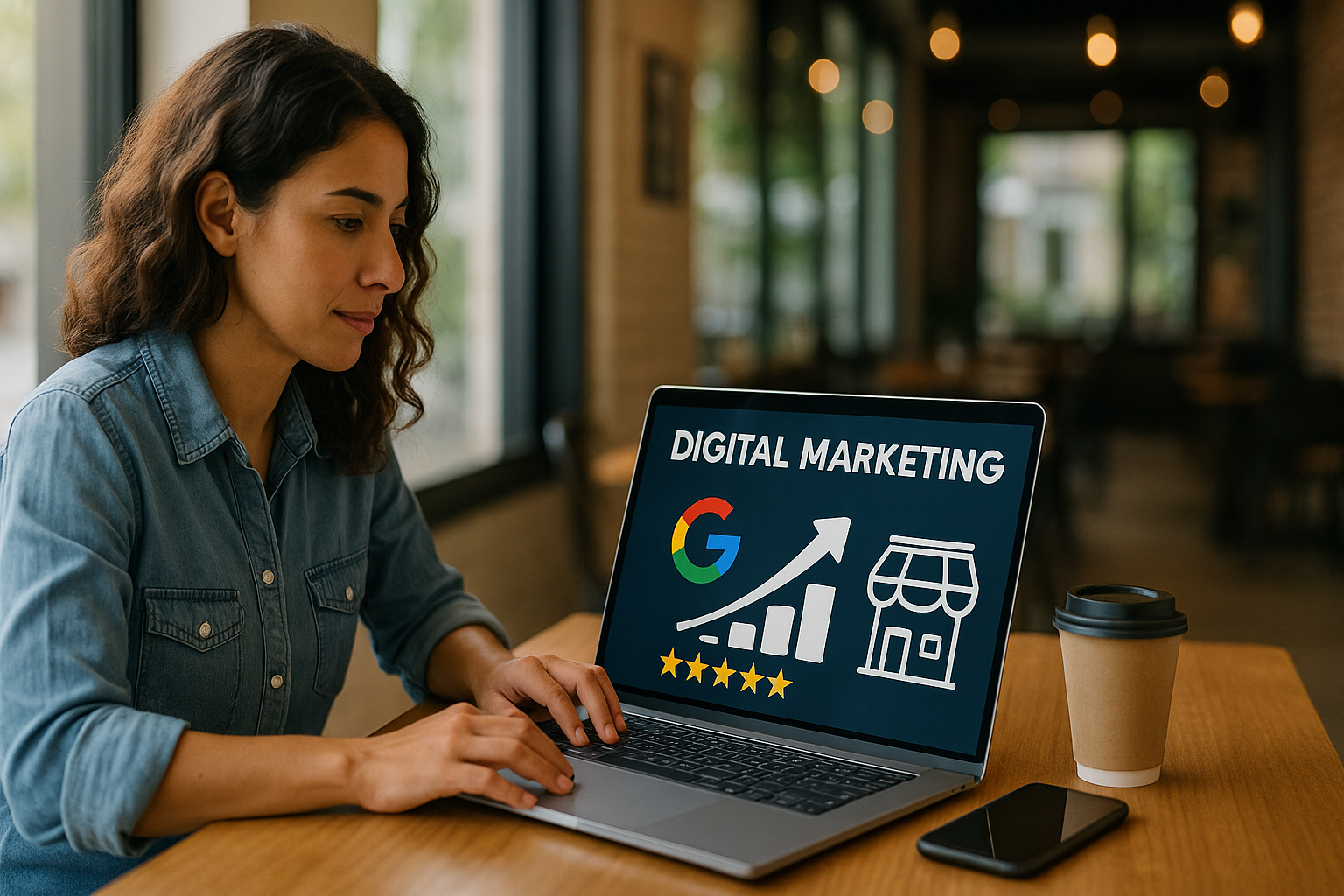
In the fast-paced world of digital marketing, improving your Google ranking can be the key to unlocking more visibility and customer engagement for your local business. Whether you're a small bakery in the heart of town or a boutique store catering to niche markets, optimizing your online presence is essential. This guide will walk you through practical strategies to enhance your Google ranking and drive more local traffic to your business.

Understanding the Importance of Google Ranking
Google ranking isn't just about appearing on the first page of search results; it's about ensuring your business is visible when potential customers are searching for services you offer. A higher ranking can lead to increased website traffic, more leads, and ultimately, higher sales. In today's digital marketing landscape, being seen is synonymous with being successful.
The Impact of Local Search
Local search is becoming increasingly important as more consumers turn to their smartphones for immediate answers. According to recent studies, nearly 78% of mobile local searches result in an offline purchase. This means that if your business isn’t ranking well in local search results, you could be missing out on a significant number of potential customers.
The Competition
With the rise of online shopping and local services, the competition is fierce. Local businesses need to be proactive in their digital marketing efforts to stand out. If you’re not on the first page of Google, your competitors likely are, and they’re capturing the attention of your potential customers.
 |  |
|---|---|
 |  |
Key Strategies to Boost Google Ranking for Local Businesses
1. Optimize Your Google My Business Profile
Google My Business (GMB) is a powerful tool for local businesses. An optimized GMB profile can significantly enhance your visibility on Google Search and Maps.
- Claim and Verify Your Listing: Ensure that you have claimed your GMB listing and verified it. This step is crucial to manage your business information and interact with customers.
- Complete Your Profile: Fill out every section of your GMB profile, including your business name, address, phone number, website, and business hours. Add high-quality photos and encourage customer reviews.
- Use Keywords Wisely: Integrate local keywords naturally in your business description to improve your chances of appearing in relevant local searches.
Example: A Local Restaurant
Imagine a local Italian restaurant. By optimizing their GMB profile with keywords like "authentic Italian cuisine in [City Name]", adding appetizing photos, and encouraging patrons to leave reviews, they can significantly enhance their visibility. When someone searches for "Italian food near me," this restaurant is more likely to appear at the top of the results.
2. Create High-Quality, Relevant Content
Content is king in digital marketing. Creating valuable content that resonates with your audience can improve your Google ranking.
- Focus on Local Content: Write blog posts that highlight local events, news, or customer stories. For example, a local coffee shop might write about sourcing beans from a nearby farm.
- Utilize Keywords: Naturally incorporate keywords like "digital marketing," "Google ranking," and "local business" in your content. Ensure these keywords align with the search intent of your target audience.
- Update Regularly: Keep your content fresh and up-to-date to maintain engagement and improve your search engine visibility.
Pros and Cons of Content Creation
Pros:
- Establishes authority in your niche.
- Engages your audience and encourages return visits.
- Improves SEO through keyword integration.
Cons:
- Time-consuming to create high-quality content.
- Requires ongoing effort to keep content updated and relevant.
3. Optimize for Mobile Users
With more people using smartphones to search for local businesses, having a mobile-friendly website is crucial.
- Responsive Design: Ensure your website design is responsive and adjusts seamlessly across different devices.
- Fast Loading Speed: Optimize images and use efficient coding practices to improve your site's loading speed, a critical factor in Google ranking.
- Simplified Navigation: Make it easy for users to find information with intuitive navigation and clear calls to action.
Example: A Local Retail Store
Consider a local retail store that sells handmade crafts. If their website is not mobile-friendly, potential customers browsing on their phones may quickly leave the site due to slow loading times or difficult navigation. In contrast, a responsive site that loads quickly can keep users engaged and encourage them to make a purchase.
4. Build Local Citations and Backlinks
Citations and backlinks from reputable local sources can significantly boost your Google ranking.
- Local Directories: List your business in local online directories such as Yelp, Yellow Pages, and local chamber of commerce websites.
- Encourage Local Press: Engage with local journalists and bloggers to write about your business. A feature in a local publication can provide valuable backlinks.
- Partner with Local Influencers: Collaborate with local influencers to reach a broader audience and improve your online credibility.
Pros and Cons of Building Backlinks
Pros:
- Enhances credibility and authority.
- Drives referral traffic from reputable sites.
- Improves overall SEO performance.
Cons:
- Can be challenging to secure high-quality backlinks.
- Risk of penalties if backlinks are from low-quality or spammy sites.
5. Engage with Your Community on Social Media
Social media platforms are excellent for building brand awareness and engaging with your local community.
- Post Regularly: Share updates, promotions, and community involvement stories to keep your audience engaged.
- Interact with Followers: Respond to comments and messages promptly. Engaging with your audience can enhance your reputation and encourage more people to visit your website.
- Leverage Local Hashtags: Use local hashtags to increase the visibility of your posts among local audiences.
Example: A Local Fitness Studio
A local fitness studio can use social media to share workout tips, success stories from members, and updates on local fitness events. By engaging with followers and using local hashtags, they can foster a sense of community and attract new members.
Measuring Success and Adjusting Strategies

Once you've implemented these strategies, it's essential to track your progress and adjust your tactics accordingly.
- Use Google Analytics: Monitor your website traffic and user behavior to understand what's working and what needs improvement.
- Track Rankings: Use tools like SEMrush or Moz to track your Google ranking and identify any fluctuations.
- Solicit Feedback: Ask customers for feedback about their online experience with your business. Their insights can help refine your digital marketing strategies.
The Importance of Continuous Improvement
In the world of digital marketing, the landscape is constantly changing. Search engine algorithms are regularly updated, and consumer preferences evolve. Therefore, it's crucial to continuously analyze your strategies and make adjustments based on performance data and market trends.
Conclusion
Improving your Google ranking is a critical component of a successful digital marketing strategy for local businesses. By optimizing your Google My Business profile, creating high-quality content, ensuring mobile-friendliness, building local citations, and engaging with your community, you can enhance your online presence and attract more local customers.
Now is the time to take action. Implement these strategies, monitor your results, and continue to adapt to the ever-evolving digital landscape. As you climb the Google ranks, you'll not only increase your visibility but also strengthen your position as a trusted local business in your community.
Call to Action
Ready to elevate your local business's online presence? Start implementing these strategies today and watch your Google ranking soar. For personalized help and guidance, consider reaching out to a local digital marketing expert who can tailor these strategies specifically for your business. Don’t wait—your next customer is just a search away!
FAQ: Improving Google Ranking for Local Businesses
1. Why is Google ranking important for my local business?
Google ranking is crucial because it determines your business's visibility when potential customers search for services you offer. A higher ranking can lead to increased website traffic, more leads, and ultimately higher sales, making it essential for business success.
2. How can I optimize my Google My Business profile?
Start by claiming and verifying your Google My Business (GMB) listing. Complete your profile with accurate business information, high-quality photos, and encourage customer reviews. Use local keywords in your business description to improve your chances of appearing in relevant searches.
3. What type of content should I create to improve my Google ranking?
Focus on creating high-quality, relevant content that resonates with your local audience. Write blog posts about local events, news, or customer stories, and incorporate keywords naturally. Regularly update your content to maintain engagement and improve search engine visibility.
4. How important is mobile optimization for my website?
Mobile optimization is critical as more people use smartphones to search for local businesses. Ensure your website has a responsive design, fast loading speed, and simplified navigation to keep users engaged and improve your Google ranking.
5. What are local citations and backlinks, and how do they help?
Local citations and backlinks from reputable sources boost your Google ranking by enhancing your business's credibility and authority. List your business in local directories, engage with local press, and collaborate with influencers to gain valuable backlinks and drive referral traffic.
6. How can social media engagement improve my local business's online presence?
Engaging with your community on social media builds brand awareness and fosters a sense of community. Post regularly, interact with followers, and use local hashtags to increase visibility and attract more local customers to your business.
- Understanding the Importance of Google Ranking
- Key Strategies to Boost Google Ranking for Local Businesses
- Measuring Success and Adjusting Strategies
- Conclusion
- FAQ: Improving Google Ranking for Local Businesses
Mastering Digital Marketing: How to Improve Google Ranking for Local Businesses
In the fast-paced world of digital marketing, improving your Google ranking can be the key to unlocking more visibility and customer engagement for your local business. Whether you're a small bakery in the heart of town or a boutique store catering to niche markets, optimizing your online presence is essential. This guide will walk you through practical strategies to enhance your Google ranking and drive more local traffic to your business.
Understanding the Importance of Google Ranking
Google ranking isn't just about appearing on the first page of search results; it's about ensuring your business is visible when potential customers are searching for services you offer. A higher ranking can lead to increased website traffic, more leads, and ultimately, higher sales. In today's digital marketing landscape, being seen is synonymous with being successful.
The Impact of Local Search
Local search is becoming increasingly important as more consumers turn to their smartphones for immediate answers. According to recent studies, nearly 78% of mobile local searches result in an offline purchase. This means that if your business isn’t ranking well in local search results, you could be missing out on a significant number of potential customers.
The Competition
With the rise of online shopping and local services, the competition is fierce. Local businesses need to be proactive in their digital marketing efforts to stand out. If you’re not on the first page of Google, your competitors likely are, and they’re capturing the attention of your potential customers.
| |
|---|---|
| |
Key Strategies to Boost Google Ranking for Local Businesses
1. Optimize Your Google My Business Profile
Google My Business (GMB) is a powerful tool for local businesses. An optimized GMB profile can significantly enhance your visibility on Google Search and Maps.
- Claim and Verify Your Listing: Ensure that you have claimed your GMB listing and verified it. This step is crucial to manage your business information and interact with customers.
- Complete Your Profile: Fill out every section of your GMB profile, including your business name, address, phone number, website, and business hours. Add high-quality photos and encourage customer reviews.
- Use Keywords Wisely: Integrate local keywords naturally in your business description to improve your chances of appearing in relevant local searches.
Example: A Local Restaurant
Imagine a local Italian restaurant. By optimizing their GMB profile with keywords like "authentic Italian cuisine in [City Name]", adding appetizing photos, and encouraging patrons to leave reviews, they can significantly enhance their visibility. When someone searches for "Italian food near me," this restaurant is more likely to appear at the top of the results.
2. Create High-Quality, Relevant Content
Content is king in digital marketing. Creating valuable content that resonates with your audience can improve your Google ranking.
- Focus on Local Content: Write blog posts that highlight local events, news, or customer stories. For example, a local coffee shop might write about sourcing beans from a nearby farm.
- Utilize Keywords: Naturally incorporate keywords like "digital marketing," "Google ranking," and "local business" in your content. Ensure these keywords align with the search intent of your target audience.
- Update Regularly: Keep your content fresh and up-to-date to maintain engagement and improve your search engine visibility.
Pros and Cons of Content Creation
Pros:
- Establishes authority in your niche.
- Engages your audience and encourages return visits.
- Improves SEO through keyword integration.
Cons:
- Time-consuming to create high-quality content.
- Requires ongoing effort to keep content updated and relevant.
3. Optimize for Mobile Users
With more people using smartphones to search for local businesses, having a mobile-friendly website is crucial.
- Responsive Design: Ensure your website design is responsive and adjusts seamlessly across different devices.
- Fast Loading Speed: Optimize images and use efficient coding practices to improve your site's loading speed, a critical factor in Google ranking.
- Simplified Navigation: Make it easy for users to find information with intuitive navigation and clear calls to action.
Example: A Local Retail Store
Consider a local retail store that sells handmade crafts. If their website is not mobile-friendly, potential customers browsing on their phones may quickly leave the site due to slow loading times or difficult navigation. In contrast, a responsive site that loads quickly can keep users engaged and encourage them to make a purchase.
4. Build Local Citations and Backlinks
Citations and backlinks from reputable local sources can significantly boost your Google ranking.
- Local Directories: List your business in local online directories such as Yelp, Yellow Pages, and local chamber of commerce websites.
- Encourage Local Press: Engage with local journalists and bloggers to write about your business. A feature in a local publication can provide valuable backlinks.
- Partner with Local Influencers: Collaborate with local influencers to reach a broader audience and improve your online credibility.
Pros and Cons of Building Backlinks
Pros:
- Enhances credibility and authority.
- Drives referral traffic from reputable sites.
- Improves overall SEO performance.
Cons:
- Can be challenging to secure high-quality backlinks.
- Risk of penalties if backlinks are from low-quality or spammy sites.
5. Engage with Your Community on Social Media
Social media platforms are excellent for building brand awareness and engaging with your local community.
- Post Regularly: Share updates, promotions, and community involvement stories to keep your audience engaged.
- Interact with Followers: Respond to comments and messages promptly. Engaging with your audience can enhance your reputation and encourage more people to visit your website.
- Leverage Local Hashtags: Use local hashtags to increase the visibility of your posts among local audiences.
Example: A Local Fitness Studio
A local fitness studio can use social media to share workout tips, success stories from members, and updates on local fitness events. By engaging with followers and using local hashtags, they can foster a sense of community and attract new members.
Measuring Success and Adjusting Strategies
Once you've implemented these strategies, it's essential to track your progress and adjust your tactics accordingly.
- Use Google Analytics: Monitor your website traffic and user behavior to understand what's working and what needs improvement.
- Track Rankings: Use tools like SEMrush or Moz to track your Google ranking and identify any fluctuations.
- Solicit Feedback: Ask customers for feedback about their online experience with your business. Their insights can help refine your digital marketing strategies.
The Importance of Continuous Improvement
In the world of digital marketing, the landscape is constantly changing. Search engine algorithms are regularly updated, and consumer preferences evolve. Therefore, it's crucial to continuously analyze your strategies and make adjustments based on performance data and market trends.
Conclusion
Improving your Google ranking is a critical component of a successful digital marketing strategy for local businesses. By optimizing your Google My Business profile, creating high-quality content, ensuring mobile-friendliness, building local citations, and engaging with your community, you can enhance your online presence and attract more local customers.
Now is the time to take action. Implement these strategies, monitor your results, and continue to adapt to the ever-evolving digital landscape. As you climb the Google ranks, you'll not only increase your visibility but also strengthen your position as a trusted local business in your community.
Call to Action
Ready to elevate your local business's online presence? Start implementing these strategies today and watch your Google ranking soar. For personalized help and guidance, consider reaching out to a local digital marketing expert who can tailor these strategies specifically for your business. Don’t wait—your next customer is just a search away!
FAQ: Improving Google Ranking for Local Businesses
1. Why is Google ranking important for my local business?
Google ranking is crucial because it determines your business's visibility when potential customers search for services you offer. A higher ranking can lead to increased website traffic, more leads, and ultimately higher sales, making it essential for business success.
2. How can I optimize my Google My Business profile?
Start by claiming and verifying your Google My Business (GMB) listing. Complete your profile with accurate business information, high-quality photos, and encourage customer reviews. Use local keywords in your business description to improve your chances of appearing in relevant searches.
3. What type of content should I create to improve my Google ranking?
Focus on creating high-quality, relevant content that resonates with your local audience. Write blog posts about local events, news, or customer stories, and incorporate keywords naturally. Regularly update your content to maintain engagement and improve search engine visibility.
4. How important is mobile optimization for my website?
Mobile optimization is critical as more people use smartphones to search for local businesses. Ensure your website has a responsive design, fast loading speed, and simplified navigation to keep users engaged and improve your Google ranking.
5. What are local citations and backlinks, and how do they help?
Local citations and backlinks from reputable sources boost your Google ranking by enhancing your business's credibility and authority. List your business in local directories, engage with local press, and collaborate with influencers to gain valuable backlinks and drive referral traffic.
6. How can social media engagement improve my local business's online presence?
Engaging with your community on social media builds brand awareness and fosters a sense of community. Post regularly, interact with followers, and use local hashtags to increase visibility and attract more local customers to your business.
Short author bio or role.