- Understanding 3D Printing: A Brief Overview
- 3D Printing in Manufacturing: Transforming Production
- Retail: A New Era of Product Innovation
- The Future of 3D Printing in Manufacturing and Retail
- Conclusion
The Revolution of 3D Printing in Manufacturing and Retail
In recent years, 3D printing has emerged as a groundbreaking force in both manufacturing and retail sectors. This innovative manufacturing technology is not only transforming how products are created but also redefining consumer expectations and market dynamics. From rapid prototyping to personalized products, 3D printing is driving product innovation and efficiency gains that were once unimaginable. This article explores the multifaceted impact of 3D printing in these industries, offering insights into its current applications, benefits, and future potential.
Understanding 3D Printing: A Brief Overview
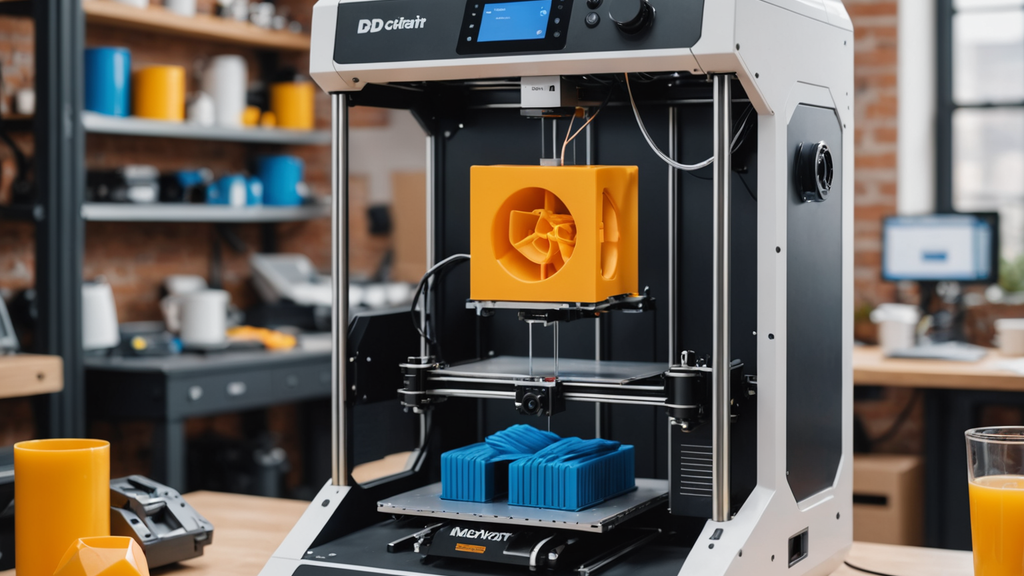
3D printing, or additive manufacturing, involves creating three-dimensional objects from a digital file by layering materials. Unlike traditional manufacturing, which often involves cutting away material, 3D printing builds products layer by layer, minimizing waste and enabling intricate designs. This technology has been around since the 1980s, but recent advancements have made it more accessible and versatile.
Key Benefits of 3D Printing
- Customization: Allows for personalized products tailored to specific consumer needs.
- Speed: Reduces time from design to production, facilitating rapid prototyping.
- Cost-Effectiveness: Lowers production costs by minimizing material waste and reducing the need for complex tooling.
- Complexity and Precision: Enables the creation of complex geometries that are difficult to achieve with traditional methods.
3D Printing in Manufacturing: Transforming Production
Manufacturers across various industries are harnessing the power of 3D printing to streamline processes and innovate products.
Automotive Industry
In the automotive sector, 3D printing is used for prototyping and producing complex components. Ford, for example, utilizes 3D printing to create parts that are lighter and more efficient. This not only cuts production costs but also improves fuel efficiency by reducing vehicle weight.
Aerospace Applications
The aerospace industry benefits significantly from 3D printing, as it allows for the production of lightweight, durable components. Companies like Boeing are using it to manufacture parts that meet rigorous safety and performance standards, thereby reducing both production time and material costs.
Healthcare Innovations
In healthcare, 3D printing is revolutionizing the manufacturing of medical devices and implants. Custom prosthetics and implants can be tailored to individual patients, improving comfort and outcomes. The technology is also instrumental in creating detailed anatomical models for pre-surgical planning.
Consumer Electronics
Companies in the consumer electronics sector are leveraging 3D printing to develop prototypes rapidly. This accelerates product development cycles and allows for quicker iterations based on user feedback. For instance, HP uses 3D printing to produce components for its printers, enhancing both design flexibility and cost efficiencies.
Retail: A New Era of Product Innovation
3D printing is not just a boon for manufacturers; it is also reshaping the retail landscape, offering unprecedented customization and personalization options to consumers.
Customization and Personalization
Retailers are using 3D printing to offer bespoke products, allowing customers to personalize everything from jewelry to footwear. Brands like Adidas have introduced 3D-printed shoes tailored to the specific contours of an individual’s foot, enhancing comfort and performance.
On-Demand Production
The ability to produce items on demand reduces the need for large inventories, lowering storage costs and enabling retailers to respond nimbly to market trends. This model also supports sustainability by minimizing overproduction and waste.
Enhanced Customer Experience
3D printing enhances the customer experience by offering interactive shopping opportunities. For example, some stores provide in-store 3D printing services where customers can watch their custom orders being printed in real-time, creating a memorable retail experience.
The Future of 3D Printing in Manufacturing and Retail
As 3D printing technology continues to evolve, its impact on manufacturing and retail is expected to grow. Here are some trends to watch:
Increased Adoption in Small and Medium Enterprises
As costs decrease and technology becomes more accessible, small and medium-sized enterprises (SMEs) are expected to adopt 3D printing more widely. This will democratize manufacturing capabilities and foster innovation across diverse industries.
Integration with AI and IoT
The integration of 3D printing with artificial intelligence (AI) and the Internet of Things (IoT) will enhance production efficiency. AI can optimize designs for 3D printing, while IoT enables smart manufacturing processes, improving quality control and reducing downtime.
Sustainability and Circular Economy
3D printing supports sustainable manufacturing practices by reducing material waste and enabling the recycling of materials. In the future, this will contribute to the growth of a circular economy, where products are designed for disassembly and reuse.
Conclusion
3D printing is undeniably revolutionizing manufacturing and retail, driving product innovation and operational efficiencies. Its ability to customize products, reduce costs, and accelerate production timelines presents a compelling case for its continued adoption. As technology advances, the potential for 3D printing to transform industries and redefine consumer experiences is immense. Businesses that embrace this technology stand to gain a competitive edge in an increasingly dynamic marketplace.
For those considering integrating 3D printing into their operations, now is the time to explore its possibilities and invest in this transformative technology.
SEO Meta Title: 3D Printing: Revolutionizing Manufacturing & Retail
Meta Description: Explore how 3D printing is transforming manufacturing and retail with product innovation and efficiency. Discover its benefits and future trends.
Short author bio or role.